
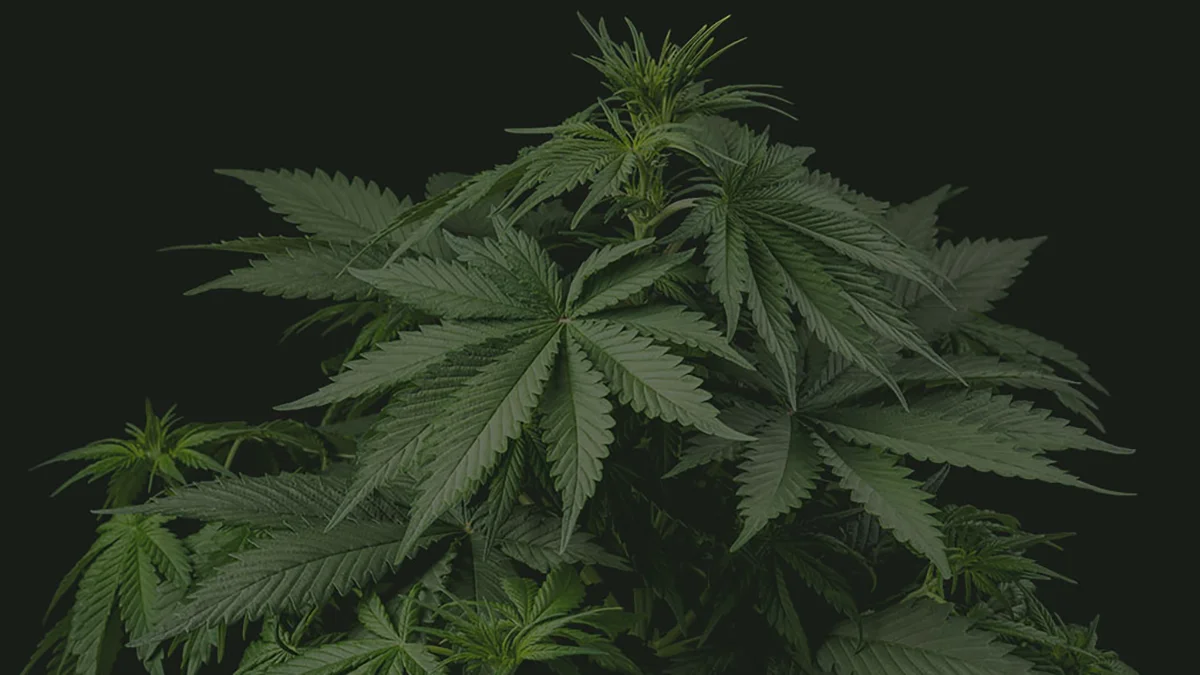
Where Kush Selections Earn Their Keep on a Production Farm
Kush Master Seed Team · July 8, 2026 · 5 min read
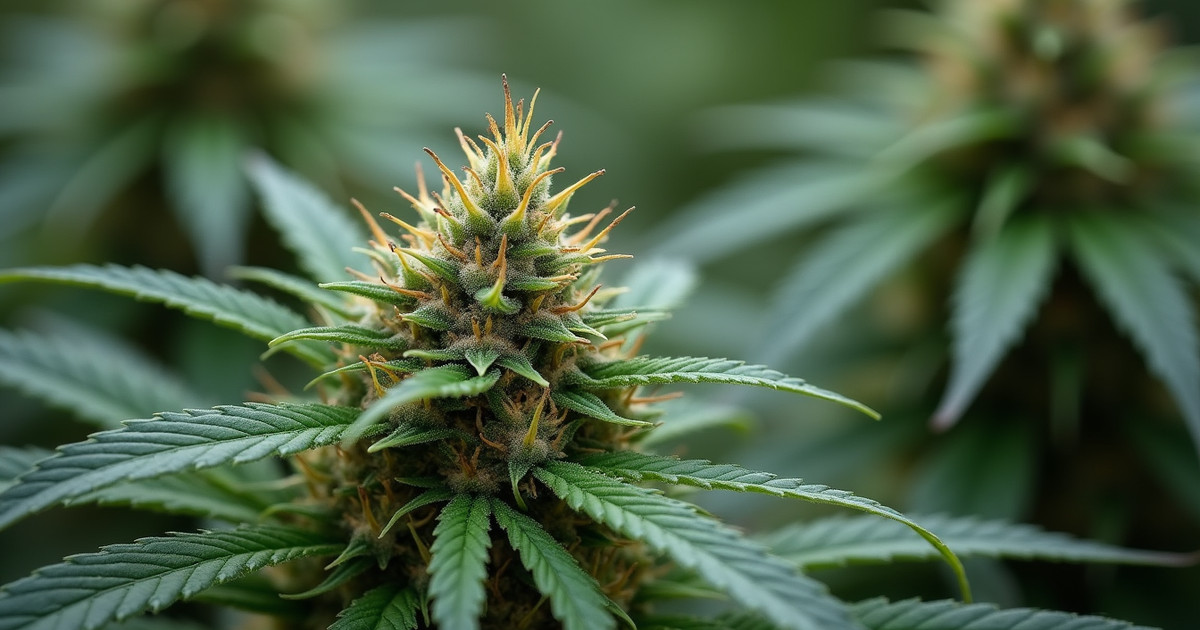
Uniform stands, workable canopies, and resin that survives handling. The practical case for Kush type genetics at scale.
Uniformity is the whole argument
A stand that emerges together and finishes together is easier to feed, easier to scout, and dramatically easier to harvest. Every hour your crew spends deciding whether a plant is ready is an hour of cost with nothing to show for it.
Uniformity also cleans up your data. When plants behave the same way, a problem in one block points to a real cause instead of getting lost in genetic noise.
Handling and post harvest
Dense Kush flower holds together through cutting, hanging, and bucking better than airy structures do. Less shatter means more sellable weight and fewer fines swept off the floor.
That density cuts both ways. Dry slow and keep air moving. A dense head that goes into a bag warm is a problem you will find later, and by then the whole lot is at risk.
Matching the line to the buyer
Before ordering seed, get clear on what you are selling: smokable flower, biomass for extraction, or both. Those are different crops managed on different calendars even when they come from the same packet.
If you have a contract in hand, share the spec with your seed supplier. A good one will tell you when their line is the wrong tool for that job.
Educational content only. Nothing here is legal advice or a performance guarantee. Growers are responsible for meeting the licensing and testing requirements that apply to their site. Kush Master Seed sells only to licensed growers, producers, and authorized distribution partners.